Summer Improvement Projects
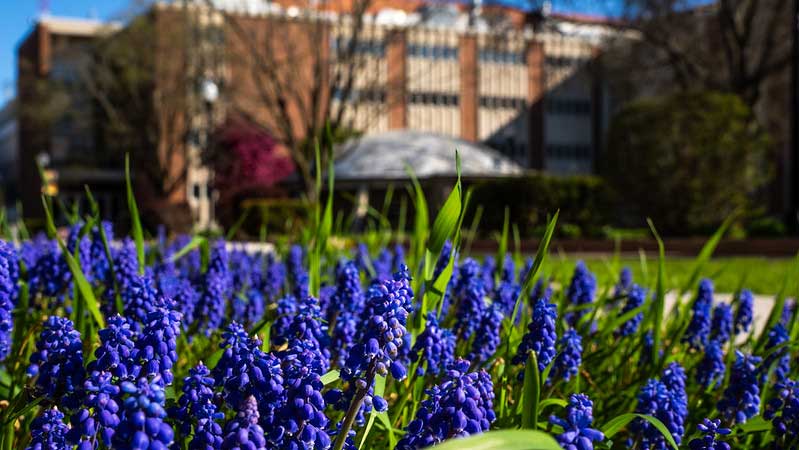
Native Prairie Relocation and Campus Stewardship
UW-Oshkosh is preserving and relocating native prairie plants from Halsey Hall and other areas of campus to a larger riverfront location. The university is not eliminating native prairie plants from campus.
This project is designed to preserve established native vegetation while supporting pollinator habitat, responsible facilities management, student learning and the university’s long-term environmental stewardship goals.
View photos of the native prairie relocation in progress
What is happening?
Native prairie plants located near Halsey Hall and in other areas of campus are being carefully relocated rather than removed and discarded.
The plants are being moved to a larger riverfront location where they can continue to grow, support campus biodiversity and contribute to a more expansive native landscape.
Preservation—not elimination—is the central objective of the project.
Why are the plants being relocated?
Campus landscape decisions must balance environmental stewardship with the long-term care of university buildings, infrastructure and learning spaces.
In some locations, vegetation has grown immediately adjacent to building infrastructure. Increasing separation between buildings and vegetation supports responsible building maintenance, pest prevention, equipment access and long-term facility management.
Rather than eliminate the established native prairie plants, UW-Oshkosh is preserving them by relocating them to another area of campus.
The project supports:
- Preservation of established native prairie plants
- Expansion of pollinator habitat
- Enhancement of the riverfront and Wiouwash Trail corridor
- Continued support of UWO’s Bee Campus commitments
- Responsible facilities and landscape management
- Protection of building infrastructure
- Improved safety and accessibility for equipment and campus operations
- Long-term environmental sustainability and stewardship
- Enhanced opportunities for experiential learning and ecological observation
- Responsible use of university resources
Where are the plants going?
The prairie plants are being relocated to a larger area along the university’s riverfront near the Wiouwash Trail corridor.
The new location provides additional space for native vegetation to establish and expand while enhancing one of the university’s most visible natural areas.
The expanded prairie will also provide additional habitat and food sources for bees and other pollinators and create opportunities for students, faculty and visitors to observe native ecosystems along the riverfront.
Supporting Pollinators and Bee Campus Commitments
Native landscapes are an important part of a healthy campus ecosystem.
Expanding native prairie habitat strengthens food and habitat resources for bees and other pollinators while supporting biodiversity across campus.
The relocation also complements UW-Oshkosh’s ongoing work with the Bee Campus Coalition and the university’s commitment to maintaining its Bee Campus designation.
The result is not fewer native plants on campus. The project creates a larger location where these plants can continue growing and supporting wildlife.
Sustainability in Action
UW-Oshkosh’s Grounds team is made up of experienced professionals with specialized expertise in campus landscape management.
When construction, maintenance or other campus projects affect established vegetation, the team routinely evaluates opportunities to preserve and relocate plants rather than discard them.
This approach protects existing landscape investments, reduces waste and demonstrates responsible stewardship of university resources.
The prairie relocation is a visible example of that practice.
Balancing Sustainability, Safety and Campus Stewardship
Environmental stewardship and responsible facilities management do not have to compete with one another.
Campus landscape decisions consider sustainability alongside building safety, infrastructure, accessibility, pest management, student experience and the long-term stewardship of university resources.
UW-Oshkosh also follows Integrated Pest Management practices that emphasize prevention, monitoring and responsible management approaches before chemical treatments are considered. When herbicides are necessary, they are applied by trained and qualified professionals.
The university’s goal is to maintain campus landscapes in ways that protect human health, student well-being, university facilities and environmental resources.
Frequently Asked Questions
Is UW-Oshkosh eliminating native prairie plants from campus?
No. Established native prairie plants affected by this project are being preserved and relocated elsewhere on campus.
Why are the plants being moved?
The relocation allows the university to create appropriate separation between vegetation and building infrastructure while preserving the existing native plants.
Where are the plants being relocated?
The plants are being moved to a larger riverfront location near the Wiouwash Trail corridor.
Will UW-Oshkosh have less native prairie habitat after the project?
No. The new location provides additional space for the relocated plants to continue growing and contributing to campus biodiversity.
How does this project benefit pollinators?
Expanding native prairie habitat provides additional food and habitat for bees and other pollinators and supports the overall health of the campus ecosystem.
Who manages these decisions?
UW-Oshkosh Grounds and facilities professionals evaluate campus landscapes based on sustainability, safety, infrastructure needs, long-term stewardship and responsible use of university resources.
Project Updates
UW-Oshkosh will continue to share updates as the relocation progresses.